
Employed professionals tend to have a comparatively simple path through Spain's digital nomad visa — one employer, one contract, one income source. Freelancers and the self-employed face a slightly different set of questions, mostly around how to prove income stability without a traditional employment letter.
The income proof problem — and how to solve it
Spanish authorities want to see a consistent income pattern, not a single snapshot. For freelancers, that generally means signed and dated contracts with your main clients (not just invoices), bank statements covering several months, and financial records that tell a coherent story. A single large invoice from one client looks far less convincing than a pattern of recurring contracts across several.
The 20% Spanish client rule
This is the rule that surprises the most people. Spain's framework generally expects no more than around 20% of your professional income to come from Spanish clients or companies — the visa is built for people bringing foreign income into the country, not competing for local work. If your client base is already mostly international, this is rarely an issue. If you're planning to take on Spanish clients after relocating, it's worth pacing that growth and discussing the threshold in advance rather than discovering it after the fact.
If you run a company rather than freelancing directly
Operating through your own company adds a wrinkle: Spanish requirements typically expect that company to have existed for at least one year before you apply. Many newer business owners assume this disqualifies them outright. In practice, there's often a workaround — applying under the self-employed/freelancer category directly, using your personal client contracts rather than the company structure itself. Which approach fits depends on exactly how your business is set up.
What 'self-employed' documentation actually needs to include
- ✓Signed, dated service contracts or client letters confirming an ongoing relationship
- ✓Recent invoices matching those contracts
- ✓Bank statements showing consistent incoming payments
- ✓A professional history or portfolio demonstrating relevant experience
- ✓Tax filings from your current country of residence, where applicable
Beckham Law for the self-employed
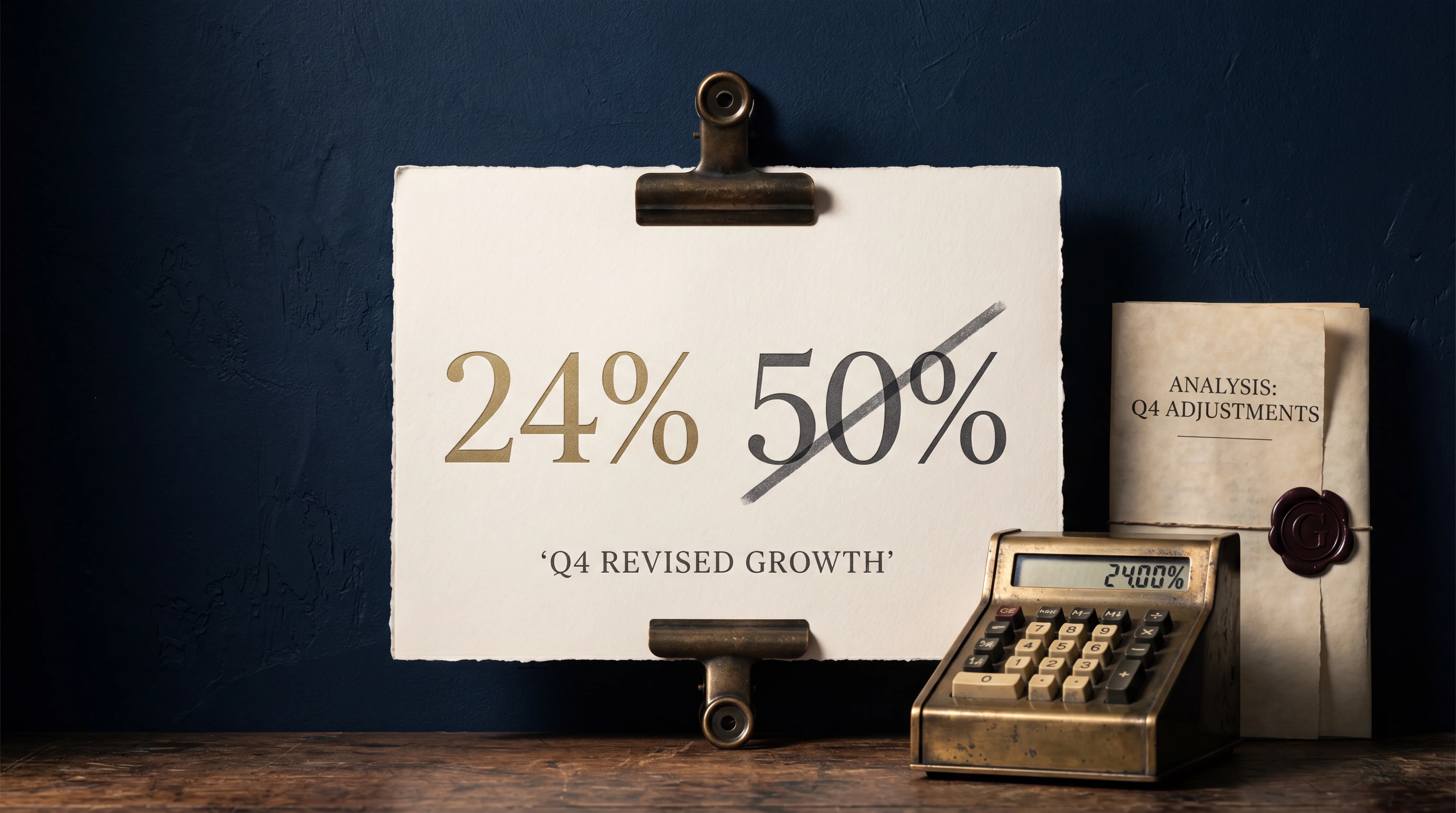
It's a common misconception that Spain's flat 24% Beckham Law tax rate is reserved for traditional employees. Self-employed professionals filing under the digital nomad visa framework can register too, provided their activity and documentation meet the same inbound-worker standards. Many freelancers never ask about this simply because they assume it doesn't apply to them — it's worth confirming on your eligibility call rather than assuming either way.
Building contracts that hold up to scrutiny
If your current client relationships run on informal agreements or verbal understandings, this is usually the first thing worth fixing before filing. A short, clearly dated service agreement — even a simple one — carries far more weight with Spanish authorities than a string of invoices with no underlying contract behind them.
Realistic timeline for freelancers
The visa processing itself doesn't take longer for freelancers than for employees — typically around 20 business days once filed. The added time, if any, usually comes from formalizing contracts and assembling a clean income history beforehand, which is worth budgeting extra weeks for if your current documentation is informal.
FAQ
Do I need to register a Spanish company to qualify as self-employed?
No — you can generally qualify based on your existing freelance activity and client contracts, without needing to incorporate in Spain first.
What if I have only two or three main clients?
That's common and not disqualifying on its own — what matters is that the contracts are formal, dated, and demonstrate a stable, ongoing income relationship.
Curious how your business fits the framework?
Bring your real client setup and income mix — we'll tell you exactly what applies.
Check Eligibility →