Greece's digital nomad visa gets attention for its simplicity; Spain's gets attention for the Beckham Law sitting alongside it. Comparing them properly means looking past the marketing angle each country leads with.
Income requirements
Greece's digital nomad visa generally requires a lower minimum monthly income than Spain's framework, which makes it look more accessible on paper for earlier-career remote workers. Spain's threshold is higher but scales in a more clearly defined way for dependents, which matters if you're relocating as a family rather than solo.
Tax treatment: the real differentiator
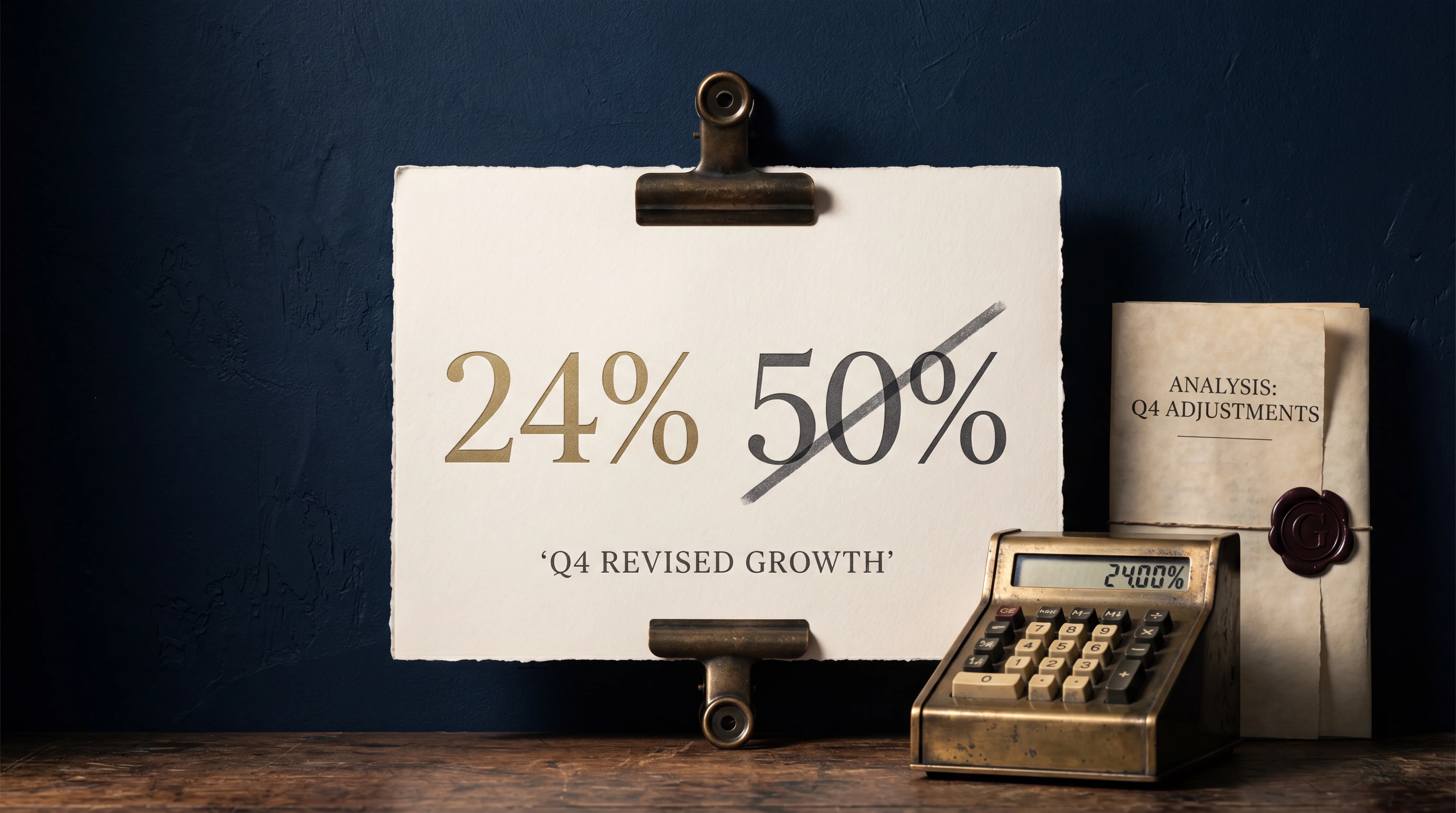
This is where the comparison tips meaningfully toward Spain for higher earners. Greece offers its own incentive — a 50% income tax reduction for qualifying new residents for seven years — which is generous, but structurally different from Spain's flat 24% rate. Spain's Beckham Law tends to produce a lower effective rate at higher income levels, particularly above roughly €80,000-100,000 annually, where Greece's percentage-reduction model starts producing a higher effective tax than Spain's flat rate.
City and infrastructure options
Spain offers more cities at meaningful scale — Madrid, Barcelona, Valencia, Málaga, and the Costa del Sol all function as genuine relocation destinations with established infrastructure, schools, and professional networks. Greece's comparable options center mainly on Athens, with islands offering lifestyle appeal but considerably less day-to-day infrastructure for long-term family living.
Processing and bureaucracy
Both countries' processes involve similar document categories — proof of remote work, income, health insurance, and a clean criminal record. Spain's process is more heavily used and, as a result, has more established norms around document formatting and what specifically satisfies Spanish authorities, which can mean fewer surprises for well-prepared applicants.
Which one actually fits you
Greece can be the right call for remote workers earlier in their income trajectory who want the Greek island lifestyle specifically and don't need the scale of a Madrid or Barcelona. For higher earners, families wanting broader school and city options, and anyone for whom the tax differential at scale matters, Spain's combination of the digital nomad framework and the Beckham Law currently presents the stronger overall package.
FAQ
Can I switch from a Greek to a Spanish visa later if I change my mind?
You'd need to apply fresh under Spain's framework — the two systems don't transfer into each other, though prior EU residency experience doesn't disqualify you.
Does Greece have an equivalent to the Beckham Law?
Greece offers a separate incentive — a 50% income tax reduction for qualifying new residents over seven years — which is structurally different from Spain's flat-rate approach.
Want to see the numbers side by side for your income?
We'll model both scenarios against your actual earnings, not a generic example.
Free Assessment →