Understanding Spanish Tax Residency — When It Applies and How to Plan
A surprising number of relocation conversations focus entirely on the visa and treat tax residency as something that 'just happens' afterward. In reality, Spanish tax residency has specific triggers worth understanding before you move, not after.
The core test: the 183-day rule
Spain generally considers you a tax resident if you spend more than 183 days in the country within a calendar year. This is the most commonly cited test, but it's not the only one — Spain also considers you a tax resident if your main center of economic interests (where you earn most of your income, or where your primary business activities are based) is in Spain, even if you spend fewer than 183 days there physically.
Why this matters before you even apply for a visa
Tax residency and immigration residency are related but legally distinct. It's possible to hold Spanish immigration residency without yet being a Spanish tax resident in a given calendar year, depending on timing and days spent in the country. Understanding which year you'll actually become a tax resident matters significantly for planning your Beckham Law registration, since the regime's clock starts from your tax residency year, not your visa approval date.
The five-year lookback for the Beckham Law
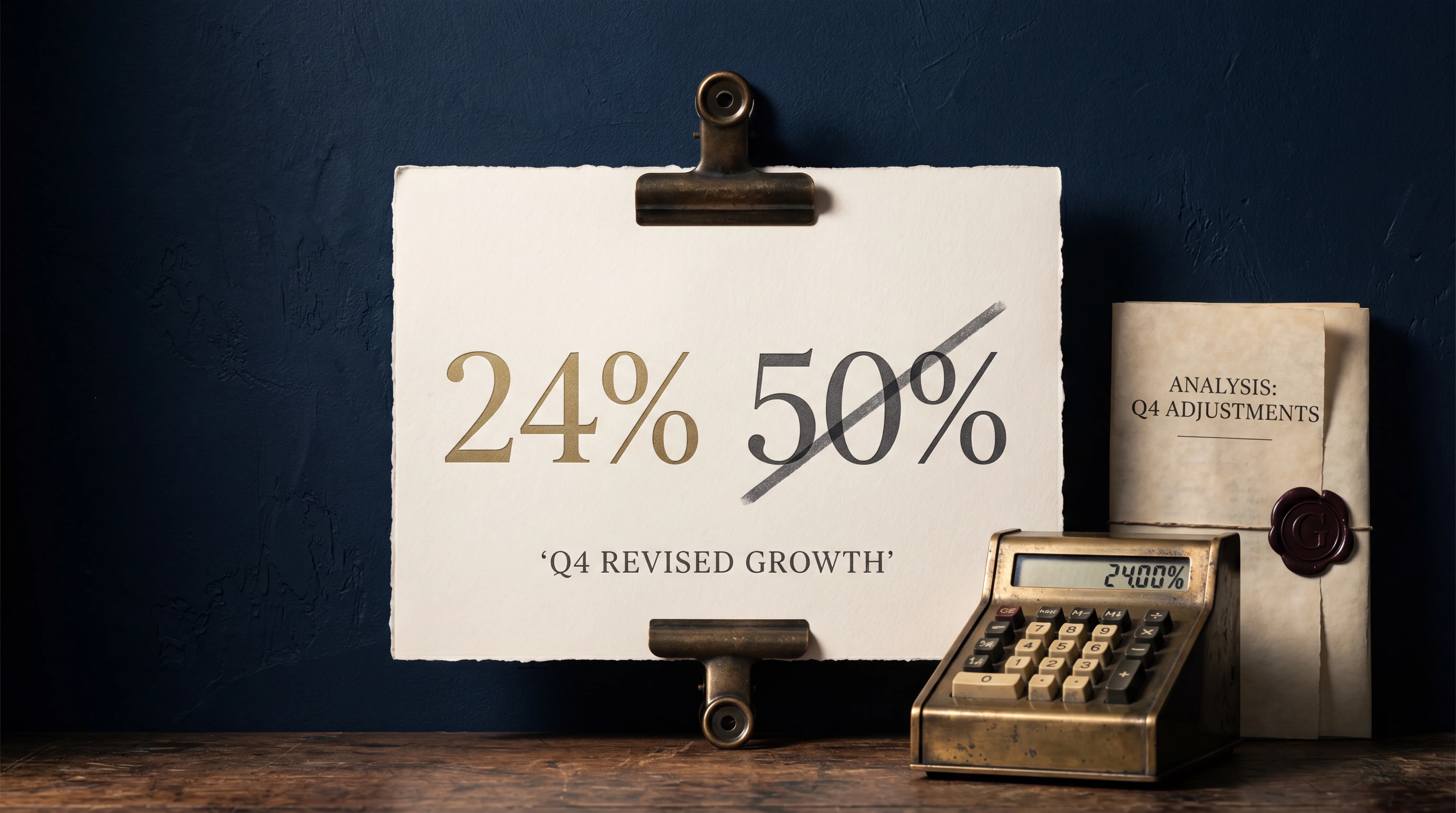
To qualify for Spain's flat 24% Beckham Law tax rate, you need to confirm you haven't been a Spanish tax resident in the five years prior to your move. This catches out people who may have spent time in Spain previously — even briefly, for work or an extended stay — without realizing it could affect their eligibility for the favorable regime now.
What happens if you become a tax resident partway through a year
If your move happens partway through a calendar year, Spain will look at where the bulk of the 183-day threshold and your economic interests sit for that specific year to determine residency status. This is a nuanced area worth discussing specifically with your relocation team, since the timing of your move within a calendar year can meaningfully affect which year your Beckham Law clock starts.
Double taxation considerations
Spain has tax treaties with numerous countries designed to prevent the same income being taxed twice. The UAE's position is somewhat distinct given its lack of personal income tax, which means the practical question for most Gulf-based relocators isn't double taxation in the traditional sense, but rather correctly establishing which country has the right to tax specific income streams going forward.
Worldwide income — what changes once you're a resident
Once you're a Spanish tax resident, Spain generally taxes your worldwide income, not just income earned within Spain — though the Beckham Law specifically modifies how certain income types are treated during its six-year window. This is exactly the kind of detail worth reviewing against your specific income sources rather than assuming generically.
The planning takeaway
Tax residency isn't a side detail to handle after your visa is sorted — it's a parallel timeline that interacts directly with both your visa approval and your Beckham Law eligibility window. Planning all three together, ideally before you've finalized your move date, avoids the timing mistakes that are hardest to correct after the fact.
FAQ
Can I be a tax resident of both the UAE and Spain at the same time?
The UAE doesn't impose personal income tax, so the practical question is usually which country's rules govern your income going forward, rather than a true double-residency conflict.
Does owning property in Spain make me a tax resident?
Not on its own — tax residency is generally based on days spent in the country or where your economic center of interest sits, not property ownership alone.
Want your tax residency timeline mapped out clearly?
We'll walk through exactly when you'd become a tax resident and how that lines up with the Beckham Law window.
Free Assessment →