
Most relocation planning focuses on the visa, the documents, and the paperwork — for good reason, since that's the part with hard deadlines. But the lived experience of moving from Dubai to Spain has its own set of adjustments that are worth knowing about in advance.
The pace of daily life is genuinely different
Spain runs on a noticeably different daily rhythm than Dubai — later dinner hours, a slower approach to bureaucratic and service interactions, and a cultural emphasis on work-life balance that shows up in everything from shop opening hours to how quickly emails get answered. This isn't better or worse, but it does require an adjustment for anyone used to Dubai's particular efficiency and pace.
Bureaucracy works differently, not necessarily worse
Spanish administrative processes — registering with local authorities, setting up utilities, dealing with any government office — tend to be more paperwork-heavy and less digitized than equivalents in the UAE. This is one of the most consistent sources of early frustration for new arrivals, and it's exactly the kind of friction a managed relocation service is built to absorb on your behalf.
The weather is a genuine lifestyle shift, not just a number
Even in Spain's warmest regions, the climate is markedly more temperate than Dubai's extreme summer heat, with actual seasons. Many relocating families describe this as one of the most immediately noticeable and appreciated changes — more time outdoors, less dependence on air conditioning, and a different relationship with the outdoors generally.
Language matters more than you might expect
While Madrid, Barcelona, and Marbella all have substantial English-speaking and international communities, day-to-day life — dealing with local bureaucracy, smaller shops, and many service providers — goes considerably more smoothly with at least basic Spanish. Most new arrivals find this becomes less of an obstacle within the first several months, but it's worth setting expectations honestly rather than assuming English alone covers everything.
Professional networking looks different
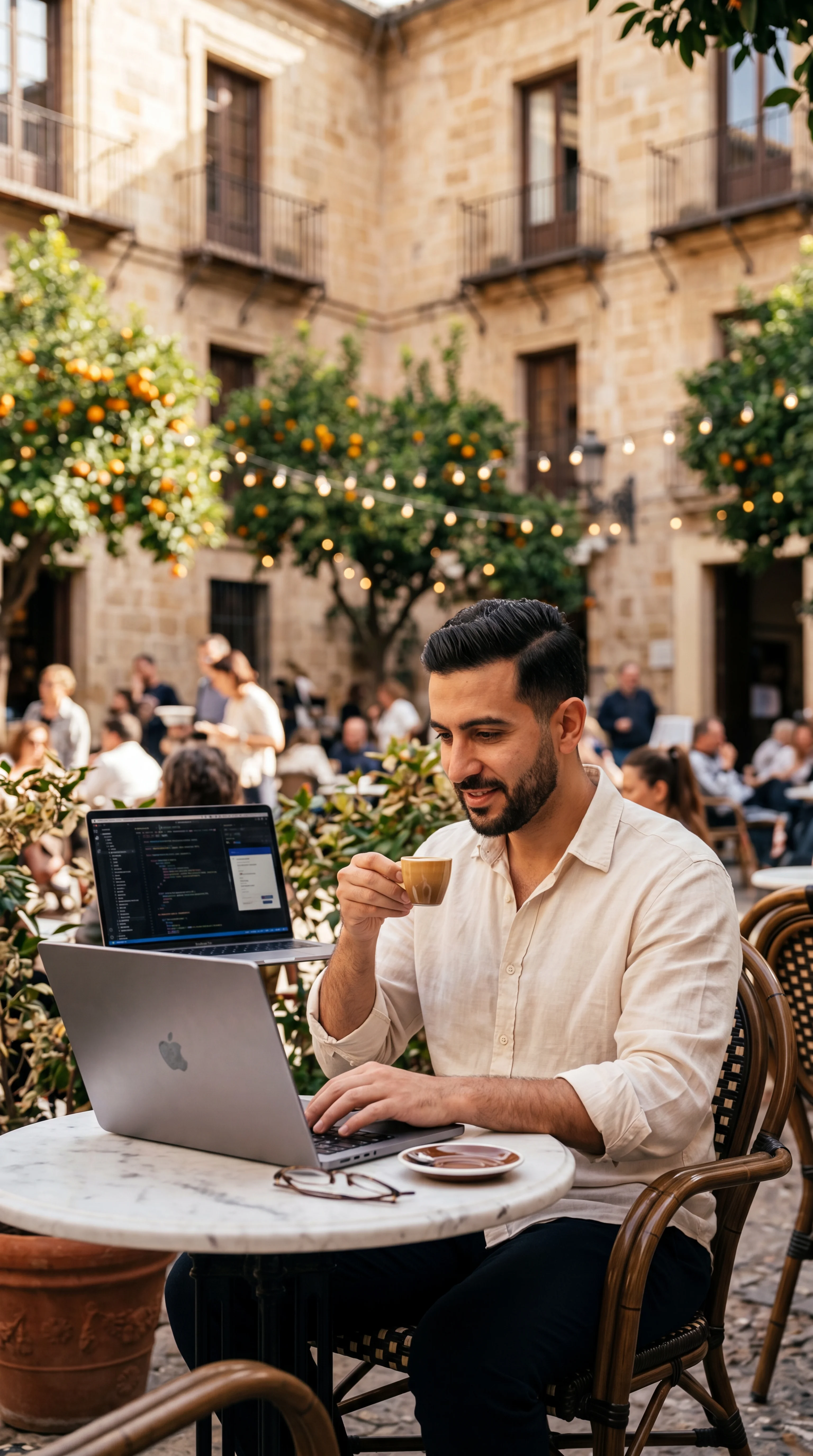
Dubai's professional culture leans heavily on direct networking and a fast-moving business environment. Spain's professional culture, particularly outside Madrid and Barcelona's more international business circles, can feel comparatively slower-paced and more relationship-based over time, which is an adjustment for entrepreneurs and executives used to Dubai's tempo.
The financial adjustment beyond tax
Beyond the headline tax comparison, new residents often underestimate smaller financial adjustments — the cost and process of getting a Spanish driving license recognized or converted, setting up recurring utility payments, and the general administrative overhead of establishing financial life in a new country with different banking norms.
What tends to surprise people most positively
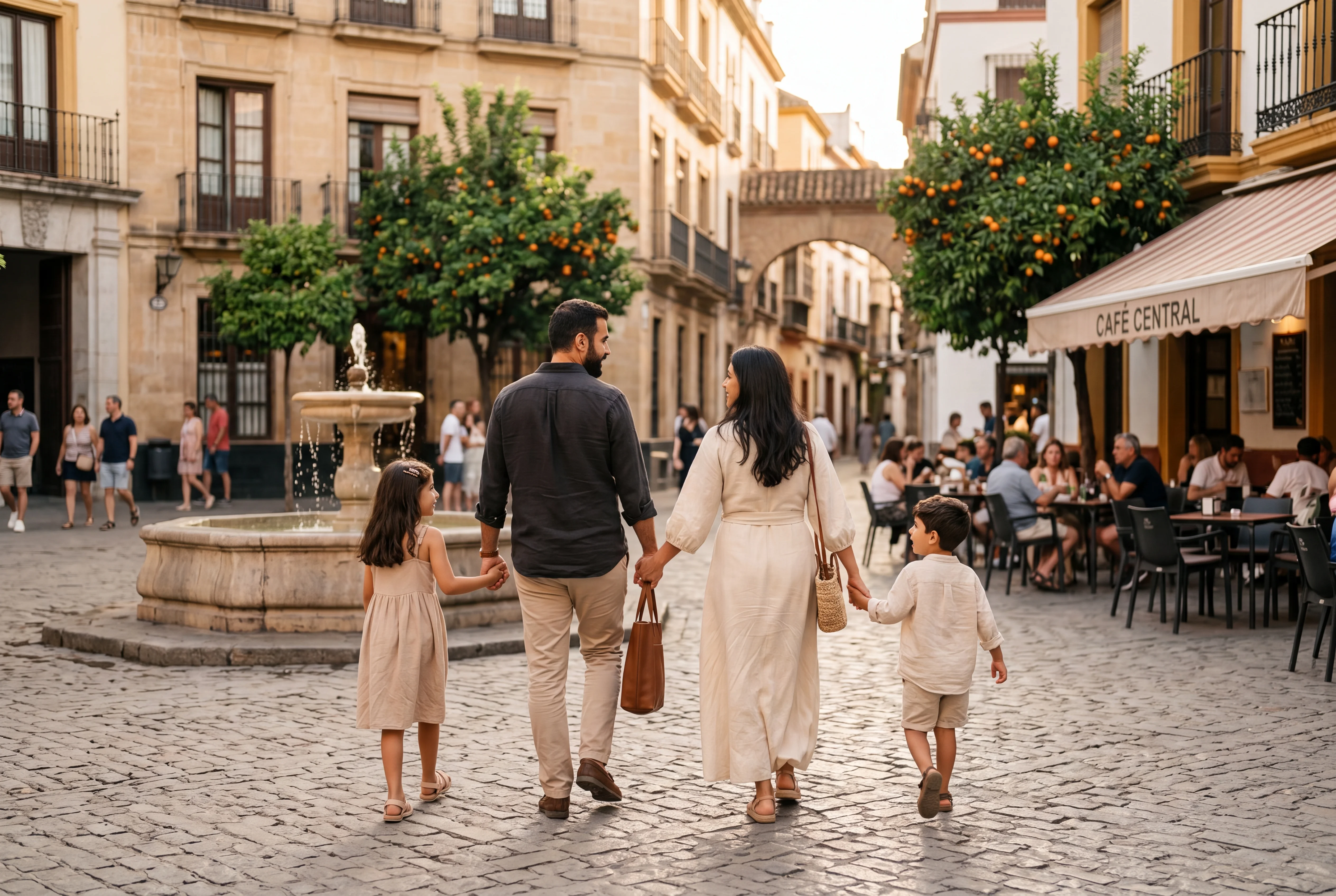
Consistently, the things relocating families mention most positively are the outdoor lifestyle, food quality and cost, the safety of public spaces for children, and a general sense of slower, more present daily life — the same things that drew them to consider Spain in the first place, just more pronounced in daily reality than they expected from research alone.
FAQ
How long does it typically take to feel settled in Spain?
Most relocating families describe feeling genuinely settled somewhere between three and six months, once the major administrative steps are complete and daily routines establish themselves.
Is it necessary to learn Spanish before moving?
Not strictly necessary, especially in major cities with international communities, but basic Spanish meaningfully smooths daily life and is worth starting before you arrive if possible.
Want support through the settling-in period, not just the visa?
Our relocation support continues well past your visa approval — that's the whole point.
Check Your Eligibility →